
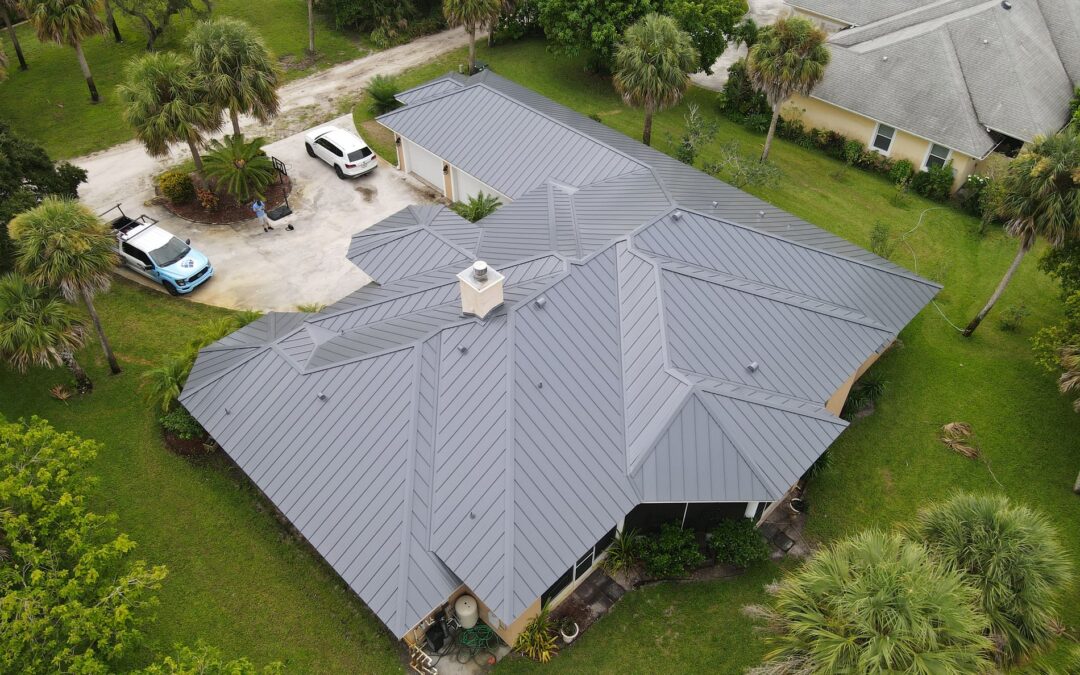
Hobe Sound’s proximity to the Atlantic coastline, the Indian River Lagoon, and Jonathan Dickinson State Park means homes here face near-constant exposure to salt air, humidity, and seasonal storms. Regular roof inspection and maintenance isn’t optional in this environment — it’s the difference between a roof that lasts its full expected lifespan and one that fails years early, costing homeowners thousands in premature repair or replacement costs. Alliance Group Roofing & General Contractors shares a complete maintenance checklist, seasonal schedule, and warning sign guide for Hobe Sound homeowners throughout Martin County.
Why Hobe Sound roofs need more frequent attention than inland homes
Hobe Sound’s coastal location accelerates wear on roofing materials in ways that inland Florida homes simply don’t experience to the same degree. Properties along Bridge Road, near Jupiter Island, and throughout the Hobe Sound waterfront corridor face the most direct exposure, but even homes further from the water still contend with the area’s overall humidity and storm patterns.
- Salt air corrosion can weaken metal fasteners, flashing, and gutter systems over time, even on roofing materials marketed as corrosion-resistant
- High humidity promotes algae and moss growth, particularly on shaded roof sections under Hobe Sound’s mature oak and pine tree canopy common throughout established neighborhoods
- Frequent afternoon thunderstorms test sealants and flashing far more often than drier inland climates experience, accelerating the breakdown of waterproofing materials
- Direct ocean wind exposure on waterfront and near-waterfront properties accelerates granule loss on shingle roofs and can loosen tile roofing over time
- Sandy soil composition and proximity to the Intracoastal Waterway can mean higher ambient moisture levels even on clear days, affecting attic ventilation needs
A complete seasonal roof inspection checklist
Hobe Sound homeowners should aim for at least two professional inspections per year — once before hurricane season begins in early June and once after hurricane season ends in late November — in addition to occasional visual checks from the ground throughout the year.
- Check for missing, cracked, curling, or lifted shingles after any significant wind event, even tropical storms that don’t reach hurricane strength.
- Inspect flashing around chimneys, vents, skylights, and roof-to-wall transitions for separation, rust, or gaps, especially given salt air’s accelerated effect on metal components.
- Look for granule accumulation in gutters and downspouts, which signals accelerated shingle wear and shortened remaining roof lifespan.
- Check the attic for any signs of daylight penetration, water staining on rafters or insulation, or musty odors that indicate an active or recent leak.
- Clear debris from gutters and downspouts regularly, since Hobe Sound’s tree canopy sheds leaves, pine needles, and branches throughout the year, not just during storm season.
- Watch for algae, moss, or lichen growth on shaded roof sections, which can hold moisture against roofing material and accelerate deterioration if left untreated for extended periods.
- Inspect roof penetrations for plumbing vents and exhaust fans, since these small components are common points of failure that homeowners often overlook.
- Check ridge caps and hip caps for any lifting or displacement following high-wind events.
Monthly and quarterly maintenance tasks for Hobe Sound homeowners
Beyond the twice-yearly professional inspection, a few simple homeowner tasks throughout the year can meaningfully extend roof lifespan in Hobe Sound’s demanding coastal climate.
- Trim back tree branches that overhang the roofline to reduce debris accumulation and prevent direct abrasion damage during wind events
- Clean gutters at minimum every quarter, more frequently during heavy leaf-drop seasons common to Hobe Sound’s tree-lined streets
- Visually inspect the roof from ground level after any named storm or significant wind event, even if no interior leaks are apparent
- Check exterior caulking and sealant around any roof-mounted fixtures, such as satellite dishes or solar attachments, for signs of cracking or gaps
What a professional inspection covers that a visual check misses
While homeowners can spot obvious issues from the ground, a professional roof inspection from Alliance Group goes significantly further, including a physical walk of the roof surface, moisture meter readings in the attic and decking, and an assessment of flashing and seal integrity that isn’t visible from the ground or from photographs taken at a distance.
Professional inspections also document the roof’s condition with detailed photographs and written reports, which can be valuable both for your own records and for any future insurance claims related to storm damage.
Warning signs that indicate it’s time to call a roofing professional
Certain signs should prompt Hobe Sound homeowners to schedule an inspection right away rather than waiting for the next routine check:
- Visible daylight through the attic roof boards
- Water stains on interior ceilings, particularly after rain events
- A sagging or uneven roofline visible from the street
- Shingles that appear curled, cracked, or are missing entirely in any section
- Granules collecting heavily in gutters after a period of normal weather, not just after storms
- Unusual increases in energy bills, which can sometimes indicate compromised attic insulation or ventilation related to roof issues
When maintenance isn’t enough
Some situations indicate it’s time to move beyond maintenance and consider repair or replacement: widespread granule loss across the roof surface, multiple soft spots in the decking detected during inspection, recurring leaks in the same area despite previous repairs, or a roof approaching the end of its material’s expected lifespan for Hobe Sound’s coastal conditions. Alliance Group provides honest assessments — we’ll always recommend maintenance and repair when that’s the right call for your situation, not just push toward replacement.
Alliance Group: Hobe Sound’s trusted roof inspection partner
Alliance Group Roofing & General Contractors has served Hobe Sound and the surrounding Martin County coastline since 2007. We offer free roof inspections to help homeowners stay ahead of small issues before they become expensive repairs, and our team understands the specific maintenance demands that Hobe Sound’s coastal environment places on every type of roofing material.
Call (772) 492-8006 or schedule your free inspection online to keep your Hobe Sound roof in top condition throughout every season.
Published by Alliance Group LLC | August 6, 2025 | Port St. Lucie, FL 34986
How hurricanes damage roofs in Port St. Lucie
Port St. Lucie’s location in St. Lucie County puts it in one of Florida’s most hurricane-active corridors. High-category storms can produce sustained winds exceeding 100 mph, and even tropical storms regularly deliver gusts that peel back shingles, bend metal panels, and crack tile.
The most common types of hurricane roof damage we see in Port St. Lucie include:
• Missing or lifted shingles — wind gets under the edge and peels them back
• Damaged or dislodged roof tiles — clay and concrete tiles crack under debris impact
• Standing seam metal panel uplift — improperly fastened panels can separate at seams
• Fascia and soffit damage — often the first point of failure in high winds
• Flashing failure around chimneys, vents, and skylights
• Water intrusion and interior ceiling damage from compromised underlayment
What to do immediately after a hurricane in Port St. Lucie
The 48 hours after a storm are critical. Here is the order of operations Alliance Group recommends for every Port St. Lucie homeowner:
1. Stay safe first — do not go on your roof. Wet roofs are extremely dangerous and structural integrity may be compromised.
2. Document everything — photograph all visible damage from the ground before any cleanup or temporary repairs begin. Your insurance company will require photo evidence.
3. Call your insurance company — report the damage and open a claim as soon as possible. Florida law gives you a limited window to file storm damage claims.
4. Get a professional inspection — have a licensed roofing contractor assess the full extent of damage before an adjuster visits. Our team provides free storm inspections throughout Port St. Lucie.
5. Apply temporary tarping if needed — prevent further water intrusion while you wait for permanent repairs. We can deploy emergency tarping quickly after a storm event.
Does your homeowner’s insurance cover hurricane roof damage in Florida?
Florida homeowners insurance policies vary significantly in how they handle hurricane damage. Most standard policies cover wind damage, but many have separate hurricane deductibles — often 2% to 5% of your home’s insured value rather than a flat dollar amount.
Key things Port St. Lucie homeowners should know about their insurance coverage:
• Florida’s 25% rule: if more than 25% of your roof is damaged, some policies require full replacement rather than repair
• Roof age matters — policies may only pay actual cash value (depreciated) rather than replacement cost on roofs over 10-15 years old
• Separate flood insurance is required for flood damage — standard homeowner’s policies do not cover flooding
• The My Safe Florida Home program may offer grants for wind mitigation upgrades after storm events
Why Port St. Lucie homeowners choose metal roofing after hurricanes
After experiencing hurricane damage, many Port St. Lucie homeowners use the insurance settlement as an opportunity to upgrade. Standing seam metal roofing is increasingly the choice for homeowners who want lasting storm protection.
Metal roofing advantages for Port St. Lucie’s hurricane climate include:
• Florida Building Code wind ratings up to 180 mph when properly installed
• No individual components to blow off — unlike shingles and tiles
• Resists mold, rot, and water infiltration that follows storm events
• Qualifies for wind mitigation discounts that can reduce your insurance premiums
• 50+ year lifespan means surviving multiple hurricane seasons
Alliance Group: Port St. Lucie’s storm damage roofing experts
Alliance Group Roofing & General Contractors has been protecting Port St. Lucie homes since 2007. After every major storm event, our crews mobilize quickly to provide free inspections, emergency tarping, and full roof replacements throughout St. Lucie County.
We work directly with all major insurance carriers and can help document damage, communicate with your adjuster, and ensure your claim reflects the full cost of necessary repairs or replacement.
Call us at (772) 492-8006 or request a free inspection online. Don’t wait — storm damage gets worse with every rain event, and insurance claim windows in Florida are limited.
Frequently Asked Questions — Port St. Lucie Hurricane Roof Damage
How soon after a hurricane should I get my roof inspected in Port St. Lucie?
As soon as it’s safe to do so — ideally within 48-72 hours. Storm damage worsens with each subsequent rain event, and Florida insurance claim deadlines can be strict.
Can I file an insurance claim for wind damage from a tropical storm?
Yes. Wind damage from any storm event — not just named hurricanes — is typically covered under Florida homeowner’s insurance. Document everything and contact your insurer promptly.
Does Alliance Group offer emergency roof tarping in Port St. Lucie after storms?
Yes. We offer emergency tarping to prevent water intrusion while you await permanent repairs. Call (772) 492-8006 for rapid response after storm events.
Ready to protect your Port St. Lucie home?
Call Alliance Group at (772) 492-8006 or visit alliancegroupllc.com for a free storm inspection.
Service Locations: Port St Lucie FL 34986, Fort Pierce FL 34950, Stuart FL 34994, Tradition FL 34987, St Lucie West 34986, Jensen Beach FL 34957, Palm City FL 34990, Treasure Coast Florida