
You pull into your driveway after a long day and notice something you haven’t paid much attention to before.
Your roof looks different.
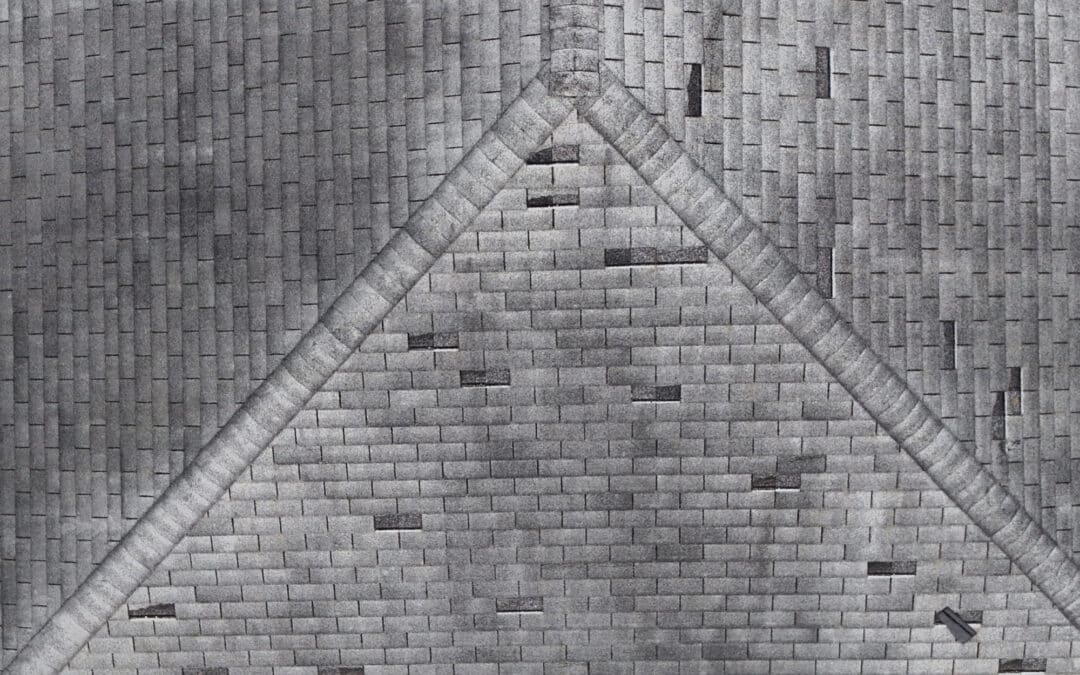
Dark streaks run down one side. A few patches look almost black. The roof used to have a fairly even color, but now certain areas look noticeably darker than others.
Your first thought might be that the roof is getting old.
Your second might be that it needs to be pressure washed.
And if you’re already concerned about the condition of your home, you may wonder whether those stains mean you need a new roof.
For homeowners in Port St. Lucie, roof discoloration can raise several questions. Florida’s warm, humid environment creates conditions in which biological growth can develop on exterior surfaces. But not every dark mark has the same cause, and appearance alone cannot tell you whether a roofing system needs repair or replacement.
Before you pay to have the roof cleaned—or assume it needs to be replaced—it helps to understand what you may be looking at.
Why Black Streaks Appear on Some Roofs
On asphalt shingle roofs, dark streaking is often associated with algae growth. One organism commonly linked to this appearance is Gloeocapsa magma, a type of cyanobacterium that can create dark discoloration on roofing surfaces.
The streaks may become more noticeable over time as growth spreads across portions of the roof.
Because water moves down the roof slope, discoloration can take on a streaked appearance rather than forming a perfectly uniform patch.
However, homeowners should not assume that every dark area is algae. Dirt, staining from nearby materials, moisture-related growth and changes in the roofing material itself can produce different visual effects.
If the appearance is unusual or accompanied by other roofing concerns, a professional evaluation can help determine what is happening.
Why Roof Stains Are Common in Florida
Port St. Lucie has the kind of climate that makes exterior maintenance a recurring part of homeownership.
Warm temperatures, humidity and frequent rainfall can create favorable conditions for growth on many outdoor surfaces.
You may notice discoloration on a driveway, fence, exterior wall or shaded patio. Roofing materials can also develop visible growth, particularly in areas that stay damp longer than others.
That does not mean every Florida roof will develop the same staining pattern.
Roof orientation, nearby trees, shade, material type and the amount of time a surface remains damp can all influence what you see.
Two homes on the same street may have roofs of similar age but very different appearances.
Why One Side of Your Roof Looks Worse Than the Other
Homeowners sometimes become concerned when the front of the roof looks clean while the back looks heavily stained.
That difference does not automatically mean one side of the roof is failing.
Different slopes receive different amounts of direct sunlight and may dry at different rates. Trees and neighboring structures can create shade. Roof geometry can also affect how water moves and where moisture tends to linger.
A shaded slope may therefore develop a different appearance from a slope exposed to more direct sunshine.
Still, if the darker area also shows visible material damage, missing shingles or signs of leakage, the issue should not be dismissed as a cleaning problem.
Are Black Roof Streaks Just Cosmetic?
Sometimes discoloration is primarily an appearance concern.
A roof can have visible staining without an active leak or a need for replacement.
But the opposite assumption is also risky: a roof that looks dirty is not necessarily only dirty.
The visible stain and the underlying condition of the roofing system are separate questions.
If the roof has otherwise been performing well, the appropriate next step may be to identify the discoloration and determine whether cleaning is suitable for the material.
If you have also noticed ceiling stains, recurring leaks, loose roofing material or other changes, those issues deserve their own evaluation.
Cleaning the visible surface will not correct a roofing defect beneath it.
Black Streaks Are Not the Same as Missing Shingles
This distinction sounds obvious, but it matters when homeowners begin researching solutions online.
A roof with dark streaks may look dramatically different after appropriate cleaning.
A roof with missing, damaged or deteriorated shingles needs a different kind of attention.
Pressure washing cannot restore missing material. A cleaning product cannot repair failed flashing. Removing discoloration does not address water entering around a roof penetration.
Before choosing a service, identify the actual problem.
You may need cleaning, roofing work, or simply more information about the roof’s condition.
Those are not interchangeable solutions.
Should You Pressure Wash a Shingle Roof?
It is tempting to look at a stained roof and imagine how quickly a pressure washer could make it look new again.
But high-pressure washing can damage certain roofing materials, including asphalt shingles. Aggressive cleaning may dislodge protective granules or otherwise affect the roof surface.
That is why homeowners should not treat a roof like a concrete driveway.
The appropriate cleaning method depends on the roofing material, its condition and the manufacturer’s guidance.
If you are considering roof cleaning, ask the provider what method will be used and whether it is suitable for your specific roofing product.
Avoid climbing onto the roof to experiment with a pressure washer yourself. Working at height creates serious fall risks, especially on wet surfaces.
What About Soft Washing?
You may hear roof-cleaning companies discuss “soft washing,” a term commonly used for lower-pressure cleaning methods that rely on cleaning solutions rather than forceful water pressure.
Lower pressure does not automatically make every treatment appropriate for every roof.
The cleaning solution, application method, runoff management and roofing material still matter.
Ask the cleaning provider how its process aligns with the recommendations for your roof and what precautions it takes around landscaping, exterior finishes and other parts of the property.
If the roof is already showing significant deterioration, have its condition evaluated before arranging cleaning.
Can Cleaning Make an Old Roof Look New?
Cleaning may improve the appearance of some stained roofing surfaces.
But a cleaner appearance is not the same as a younger roofing system.
If shingles have deteriorated, cleaning does not reverse that process. If the roof has recurring leaks, removing stains does not solve the underlying cause. And if a roofing system is approaching replacement, a cosmetic improvement does not change its actual condition.
This matters particularly when homeowners are preparing to sell a house.
A roof that photographs well may still have issues that deserve attention. Likewise, a visibly stained roof may remain serviceable.
Appearance is one piece of information—not a complete roof evaluation.
When Roof Stains Deserve a Closer Look
Suppose you notice dark streaks on a roof that has otherwise caused no trouble.
That is a different situation from discovering discoloration alongside a new ceiling stain or repeated leaks.
A roofer may need to evaluate the roof when staining appears with other signs of concern, such as visible material damage, unusual changes in the roof surface or water intrusion.
The goal is to determine whether the discoloration is a separate appearance issue or part of a broader roofing problem.
Homeowners do not need to diagnose that distinction from the driveway.
Does Algae Mean Your Roof Is Leaking?
No. Visible algae-like staining does not, by itself, establish that water is entering the home.
Exterior roofing surfaces are exposed to rain and humidity. Growth on the outside of a roof and leakage through the roofing system are different conditions.
A leak requires investigation of the water-entry path.
If you have an interior stain, tell the roofing contractor when it appeared and whether it changes during heavy or wind-driven rain.
Do not assume the exterior dark streaks identify the source.
How Metal Roof Discoloration Is Different
Metal roofing can also develop visible discoloration, but the causes and appropriate responses may differ from those associated with asphalt shingles.
Depending on the product and environment, a metal roof may show accumulated dirt, biological growth, changes in its finish or other surface conditions.
Coatings, panel materials and manufacturer maintenance instructions vary.
A cleaning method appropriate for one roofing product may not be appropriate for another.
If you have a metal roof in Port St. Lucie, identify the roofing system and review the applicable maintenance guidance before arranging treatment.
If you notice a change that appears to involve the coating, corrosion or another material issue, ask a qualified roofing professional to evaluate it rather than assuming the problem is ordinary dirt.
Could Nearby Trees Be Contributing?
Trees can make a property more comfortable and attractive, but they also change the environment around a roof.
Branches may shade portions of the roofing surface. Leaves and other debris can collect in roof valleys or gutters. Some areas may remain damp longer than they would in full sunlight.
If one roof slope develops more discoloration than the others, nearby vegetation may be part of the explanation.
That does not mean removing every tree near your home is necessary.
It does mean keeping an eye on overhanging branches, accumulated debris and drainage conditions.
Any tree trimming near the roof should be performed safely and with appropriate care to avoid damaging the roofing system.
Don’t Forget the Gutters and Valleys
When homeowners focus on black streaks, they may overlook the areas where debris and rainwater collect.
Leaves and other material can accumulate in gutters and roof valleys, depending on the home’s design and surroundings.
These areas are worth observing because water needs an appropriate path away from the roof and building.
A roof-cleaning project should not distract from obvious drainage concerns.
If you notice water overflowing from gutters or debris collecting in a valley, determine whether maintenance is needed.
Avoid walking on the roof or reaching into unsafe areas to clear material yourself.
What If the Roof Is Stained but You Are Considering Replacement Anyway?
Maybe the roof has already required several repairs.
Perhaps you are planning a major exterior renovation.
Or you may have been discussing replacement before the staining became noticeable.
In those situations, it is worth evaluating the roof before investing in cosmetic cleaning.
If the roofing system remains serviceable and replacement is not currently necessary, appropriate cleaning may be worth considering for appearance.
If the roof has widespread deterioration and replacement is already planned, cleaning may provide limited value.
The decision should be based on the roof’s condition and your plans for the home, not the stains alone.
Can You Choose Roofing Materials That Resist Staining?
If you are replacing a shingle roof, ask about products designed to help resist algae-related discoloration.
Product features vary, and homeowners should review the specific manufacturer’s information rather than assuming all shingles perform the same way.
If you are considering metal roofing, ask about the proposed panel material, finish and maintenance guidance.
No roofing product should be described as permanently immune to dirt, growth or environmental exposure.
The useful question is what the actual product offers and what maintenance it may require in Port St. Lucie’s climate.
Why a Clean Roof Is Not Always a Healthy Roof
Think of roof appearance and roof condition as two different measurements.
A stained roof may still be performing its job.
A clean-looking roof may have a hidden leak.
A roof that looks attractive from the street may have problems around a transition or penetration that are difficult to see from the ground.
That is why a roofing decision should not begin and end with curb appeal.
If your only concern is discoloration, investigate suitable cleaning options.
If you are concerned about the roof’s performance, have the roofing system evaluated.
What Port St. Lucie Homeowners Should Do First
Start by observing the roof safely from the ground.
Notice where the staining appears and whether it seems to be changing. Look for other visible concerns without climbing onto the roof.
Think about the roof’s recent history.
Has it leaked? Has it needed repairs? Do you know when it was installed? Are you considering replacement in the near future?
Then choose the next step that matches the concern.
For a roof that appears otherwise serviceable and has only cosmetic staining, seek product-appropriate cleaning guidance.
For a roof with leaks, damaged materials or recurring problems, address the roofing condition before focusing on appearance.
And if you are unsure which situation applies, a professional evaluation can help separate a cosmetic issue from a repair or replacement question.