
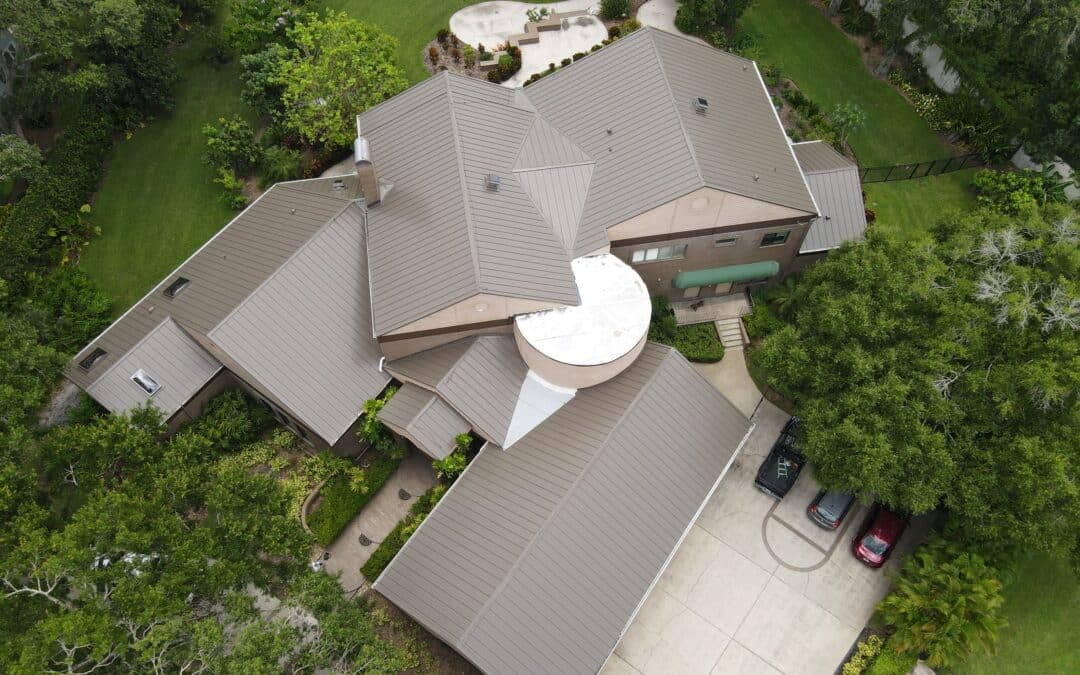
If you’re thinking about replacing your roof in Florida, one of the first questions you’re probably asking is: How much is a new roof going to cost?
It’s a fair question, especially with the amount of rain, heat, humidity, and severe weather Florida roofs have to withstand.
The answer depends on several factors, including the size of your roof, the materials you choose, the condition of the existing roof, and the complexity of the installation.
For homeowners in Port St. Lucie, Fort Pierce, Stuart, Vero Beach, and surrounding Treasure Coast communities, understanding these factors can help you plan your budget and make a more informed decision.
What Is the Average Cost of a New Roof in Florida?
There isn’t one standard price for a roof replacement in Florida.
Two homes with similar square footage can have very different roofing costs depending on their roof design, materials, and installation requirements.
Some of the biggest factors affecting your quote include:
- Roof size: Larger roofs require more materials and labor.
- Roofing material: Asphalt shingles, metal roofing, and tile roofing have different costs.
- Roof pitch: Steep roofs can require additional labor and safety equipment.
- Roof complexity: Valleys, dormers, skylights, and multiple roof sections add installation time.
- Existing roof condition: Damaged decking or other underlying problems can increase the scope of work.
- Permits and code requirements: Florida roofing projects must meet applicable building codes and local permitting requirements.
The most accurate way to determine the cost of replacing your roof is to have a professional roofing contractor inspect your home and prepare a detailed estimate.
Shingle Roof vs. Metal Roof: Which Costs More?
One of the biggest decisions Florida homeowners face is choosing between asphalt shingles and metal roofing.
Asphalt Shingle Roofing
Asphalt shingles are a popular choice for residential roof replacements because they generally have a lower upfront installation cost than metal roofing.
Modern architectural shingles are available in many colors and styles, making them a practical option for homeowners who want a traditional appearance.
Benefits of shingle roofing include:
- Generally lower upfront cost
- Wide selection of styles and colors
- Familiar appearance for residential homes
- Straightforward maintenance and repairs in many situations
However, the long-term performance of a shingle roof depends on product selection, installation quality, weather exposure, and ongoing maintenance.
Metal Roofing
Metal roofing has become an increasingly popular option for Florida homeowners looking for durability and a different architectural appearance.
Although a metal roof typically costs more upfront than an asphalt shingle roof, some homeowners find the potential long-term benefits worth considering.
Benefits of metal roofing may include:
- Long service life when properly installed and maintained
- Excellent resistance to many weather conditions when the system is appropriately rated
- A variety of colors, profiles, and finishes
- Potential energy-efficiency benefits depending on the roof’s coating, color, and construction
Not every metal roofing system performs the same way. Material thickness, panel design, fastening systems, product approvals, and installation details all matter.
If you’re comparing a metal roof vs. shingle roof in Port St. Lucie, ask your contractor to explain the upfront price, maintenance expectations, warranty coverage, and product specifications for each option.
Why Are Roof Replacements in Florida Different?
Florida presents roofing challenges that homeowners in other parts of the country may not experience as frequently.
Heavy Rain and Wind-Driven Storms
Roofing systems must be designed and installed to manage heavy rainfall and resist wind forces.
Proper flashing, underlayment, roof-edge details, and installation methods are especially important.
Florida Building Code Requirements
Roof replacements must comply with applicable Florida Building Code provisions, local permitting rules, and product approval requirements.
The specific requirements depend on the property, roofing system, location, and project scope.
Heat and UV Exposure
Florida’s intense sunshine can contribute to the aging of roofing materials over time.
Choosing suitable products and maintaining your roof can help support its long-term performance.
Existing Roof Conditions
During a roof replacement, contractors may discover deteriorated decking, moisture damage, or other issues that were not visible during the initial inspection.
These conditions can affect the final project cost.
Does Homeowners Insurance Pay for a New Roof in Florida?
This is another common question among Florida homeowners.
Homeowners insurance may cover certain roof damage caused by covered events, depending on the policy’s terms, exclusions, deductibles, and the circumstances of the loss.
However, insurance generally isn’t intended to pay for routine roof aging or normal wear and tear.
If you believe your roof was damaged by a storm, document the visible damage and contact your insurance company to understand your coverage and claims process.
A roofing contractor can inspect the roof and provide an assessment of its condition, but coverage decisions belong to the insurer.
Is It Cheaper to Repair Your Roof or Replace It?
Not every roofing problem requires a complete roof replacement.
A localized roof leak, damaged flashing, or a small section of missing shingles may be repairable.
On the other hand, replacement may be worth considering if:
- Your roof has widespread deterioration.
- Leaks are occurring in multiple areas.
- Previous repairs haven’t solved recurring problems.
- The roofing system is approaching the end of its expected service life.
- The cost and extent of necessary repairs make replacement a more practical option.
A professional roof inspection can help determine whether a repair is appropriate or whether replacing the roof makes more sense.
How Can You Avoid Unexpected Roof Replacement Costs?
Before signing a roofing contract, make sure you understand exactly what is included in the estimate.
Ask your roofing contractor about:
- The specific roofing materials and products being installed.
- Removal and disposal of existing roofing materials.
- Underlayment, flashing, ventilation, and roof-edge components.
- How damaged decking or unexpected conditions will be handled.
- Permits and required inspections.
- Manufacturer warranties and workmanship warranties.
- The estimated project timeline and payment schedule.
A detailed written estimate makes it easier to compare contractors and understand what you’re paying for.
Remember that the lowest quote isn’t always the best value if it leaves out important materials, installation details, or services.
How Much Does a New Roof Cost in Port St. Lucie?
If you live in Port St. Lucie, your roof replacement cost will depend on your home’s roof dimensions, the material you select, and the existing condition of your roofing system.
For example, a straightforward asphalt shingle replacement on a single-story home will have different labor and material requirements than a complex metal roof installation with multiple slopes and penetrations.
The same applies to homeowners in Fort Pierce, Stuart, Jensen Beach, Palm City, and Vero Beach.
Rather than relying on a statewide average that may not reflect your home, request a local roofing estimate based on your property’s actual conditions.